


Why Students Thrive in Code Wiz Plano Classes
Code Wiz classes feel more like creative workshops than traditional classrooms.
Students also present projects during showcase events for families and peers.
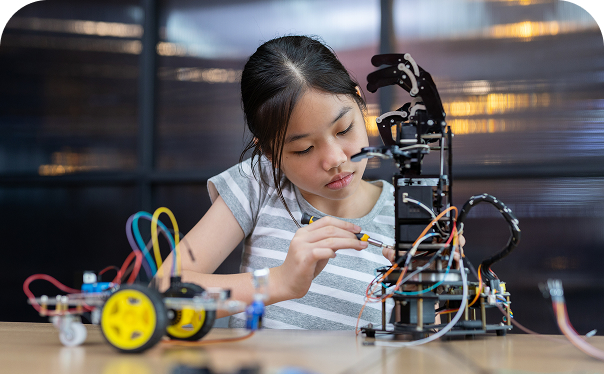

Hands-On, Workshop-Style Learning
Students learn coding by building real projects, not listening to lectures.
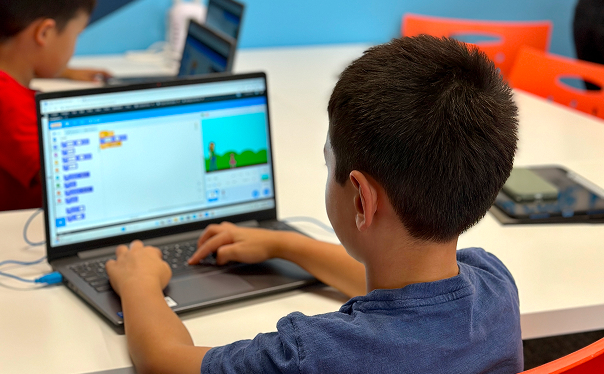

Personalized Learning Paths
Students progress at their own pace through flexible, project-driven pathways.
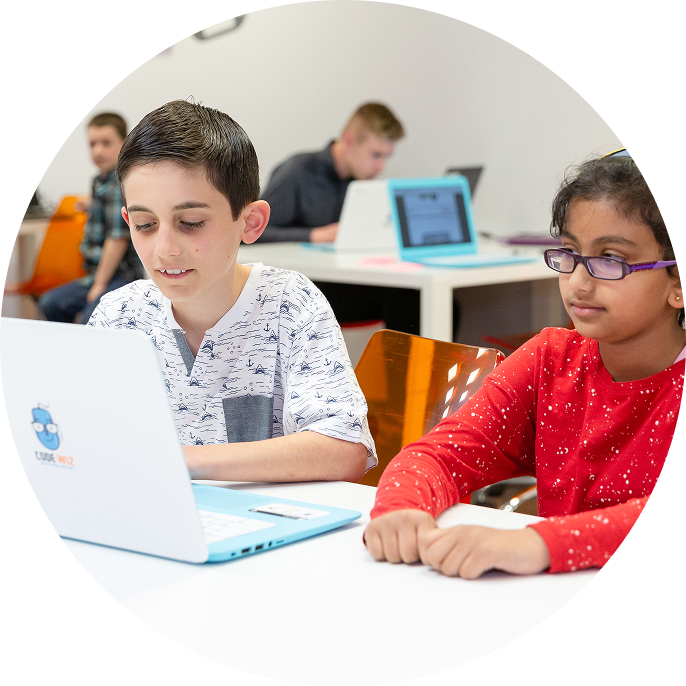

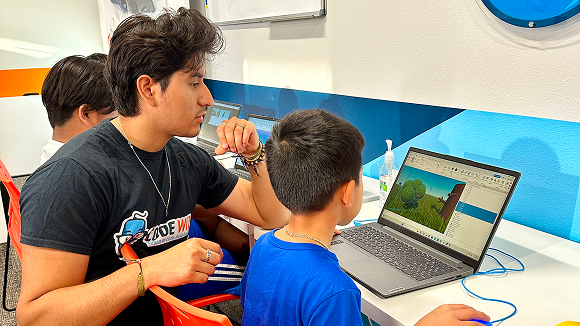
Small Class Sizes and Coach Support
Small groups allow coaches to guide students through coding challenges.
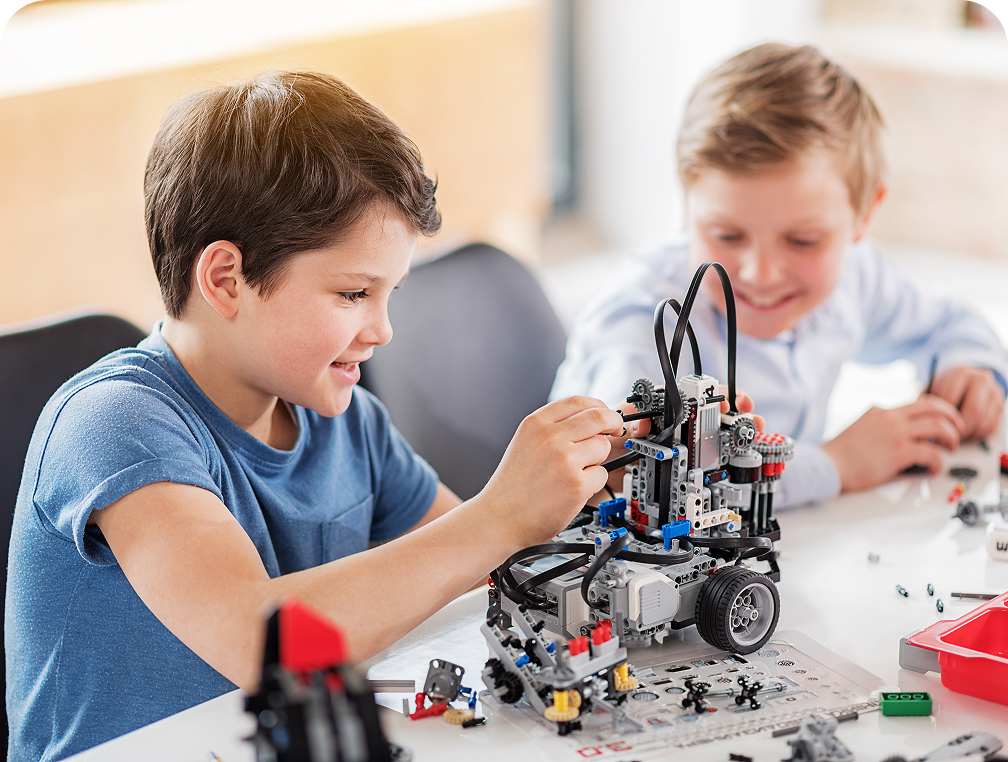

Collaboration and Team Challenges
Partner coding, group builds, and challenges encourage teamwork and communication.


Gamified Learning and Rewards
Students earn badges and Wiz Bucks for completing projects and milestones.

Progress Updates for Parents
Families receive updates, project videos, and invitations to showcase events.

Projects Students Build at Code Wiz Plano
At Code Wiz Plano, students don’t just learn coding concepts — they build real technology projects while exploring creativity and problem-solving. From beginner coding games to advanced robotics builds, students develop skills by creating projects they’re proud to share with friends and family.
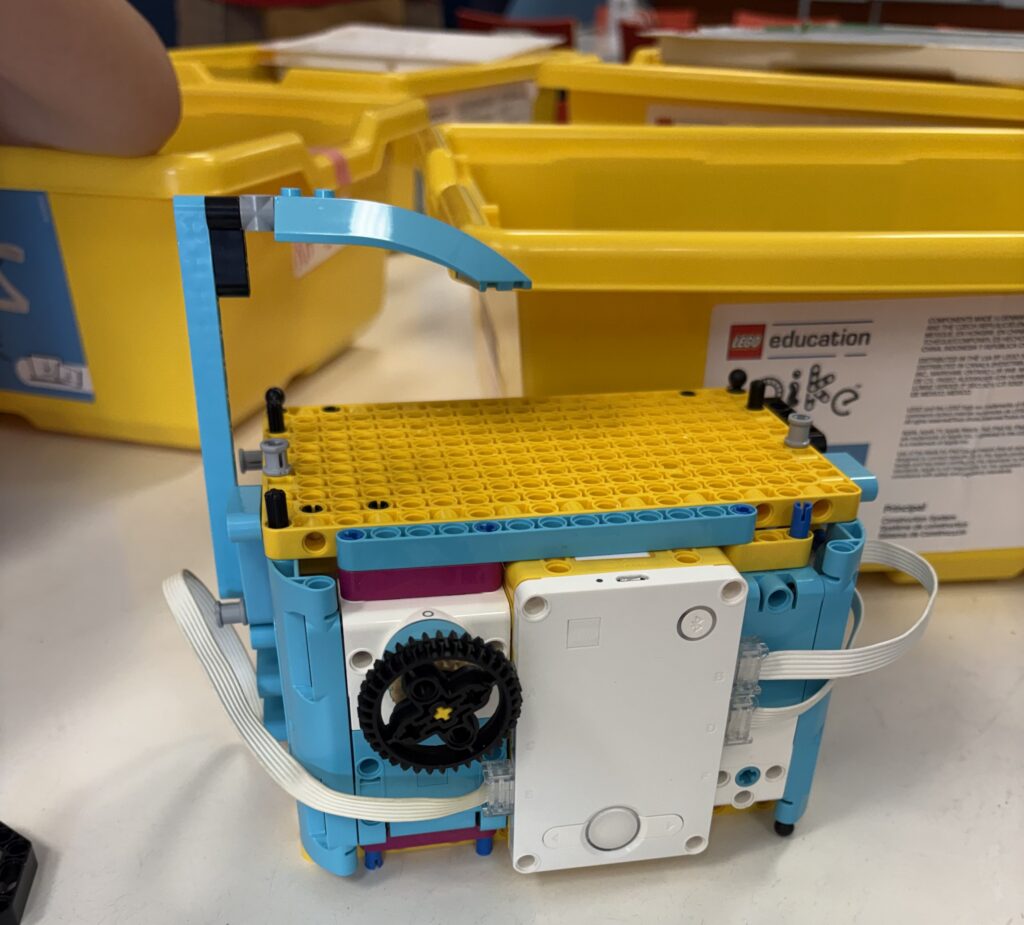

Iris, Age 10
Iris has been coming to Code Wiz for a while now, and her growth in LEGO robotics is astounding. She can quickly design, build, and program all sorts of robots and contraptions.
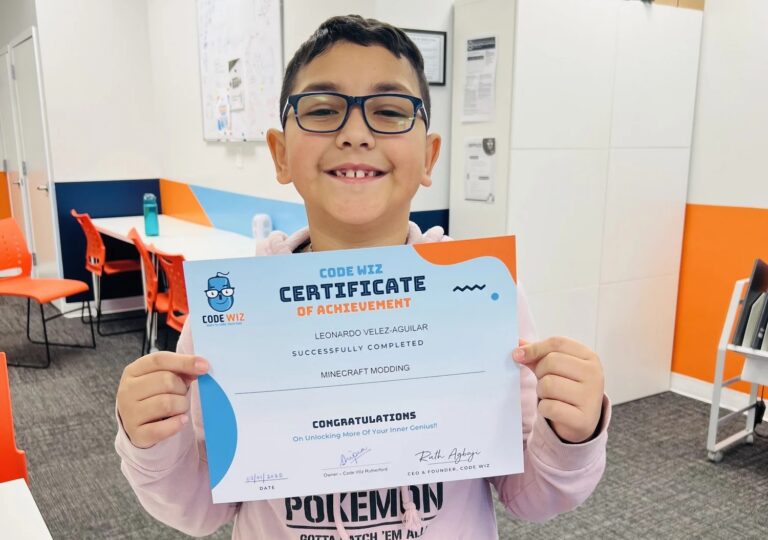

Leonardo
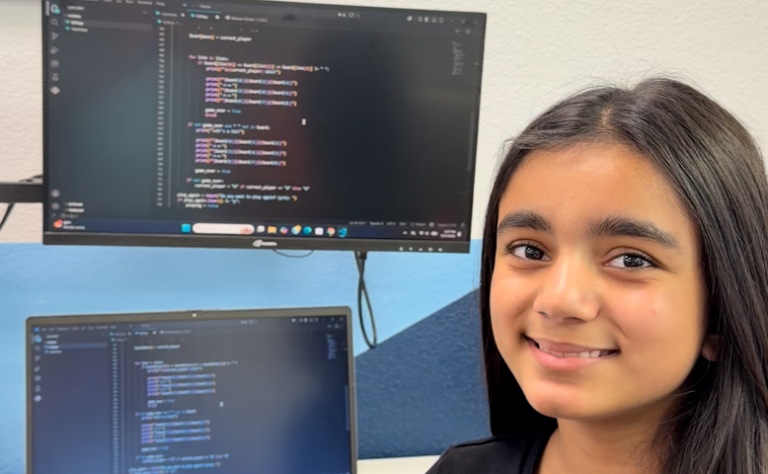

Viyana, Age 12
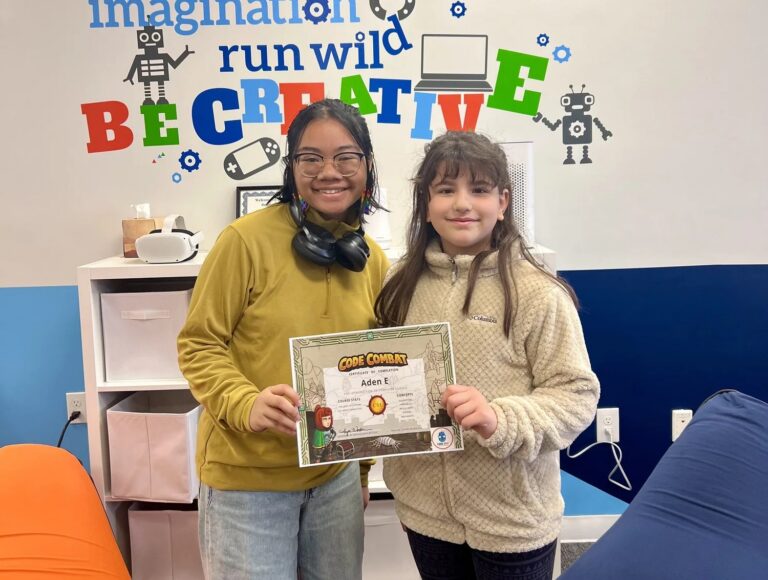
Aden
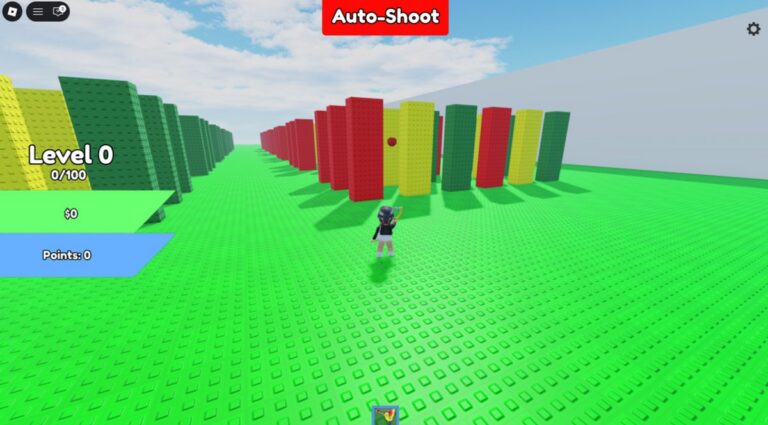
Dimitri, Age 13
Coding Program FAQs for Plano Families
Code Wiz Plano classes are intentionally kept small so students receive personalized support and coaching throughout their learning journey. Smaller class sizes allow coaches to better understand each student’s interests, learning style, and pace while helping them stay engaged and confident.
This also creates a more collaborative environment where students can ask questions, work through challenges, share ideas, and build projects together.
Code Wiz Plano classes are led by experienced coaches who are passionate about technology, creativity, and helping students grow. Coaches guide students through hands-on coding, robotics, game development, and AI projects while encouraging problem-solving, teamwork, and confidence-building.
Our coaches support beginners and advanced learners alike, helping every student feel challenged, supported, and excited to learn.
Class lengths can vary depending on the program and student pathway, but most weekly coding classes are designed to provide enough time for hands-on learning, project building, collaboration, and guided instruction within a structured after-school schedule.
Students often continue building on their projects week after week as they progress through Explorer, Creator, and Innovator levels.
Getting started at Code Wiz Plano is simple. Families can book a free trial class to explore the learning environment, meet the team, and discover which programs best fit their child’s interests and experience level.
After the trial session, our team helps families choose the right pathway and class schedule based on their goals, age group, and availability.
Students learn by building real projects rather than simply following lectures or worksheets. Depending on their pathway, students may create games, program robots, design apps, experiment with AI tools, or solve coding challenges through hands-on activities.
Every class encourages creativity, critical thinking, collaboration, and problem-solving while helping students gain confidence using technology.
No prior coding experience is required. Code Wiz Plano welcomes complete beginners as well as students who already have experience with coding, robotics, or game development.
Our personalized learning pathways allow students to progress at their own pace while exploring new technology skills through guided, project-based learning.
Not at all. Code Wiz classes are designed to feel more like creative workshops than traditional classrooms. Students learn through experimentation, games, challenges, and hands-on projects in a supportive environment where curiosity and creativity are encouraged.
While students build valuable STEAM and technology skills, the experience stays engaging, social, and fun.
Students at Code Wiz Plano explore a wide range of coding languages, tools, and technologies depending on their age and pathway. Programs may include Scratch, Python, Java, Roblox development, Minecraft modding, robotics programming, web design, and artificial intelligence projects.
Learning focuses on real-world application, creativity, and problem-solving rather than memorization alone.
